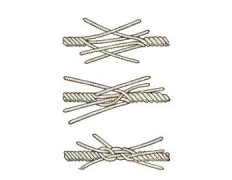
Knot work
This guide to knots should get you started, although the best way to
learn how to tie a knot is to do it whilst someone shows you. Hover
over the names of each knot to see the knot on the right, or
hover here to see an animation
on how to tie a friendship knot.
Tenderfoot
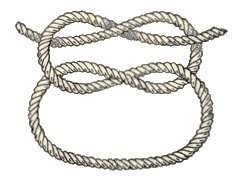
Reef
knot - A common and well known knot used for joining two ropes.
Granny knot
- A surprisingly common poor knot which slips easily.
Sheet
Bend - Used for joining two ropes of very different diameter, or a rope
to a hook.
Figure
of eight - Used as a stop knot, turned in the end of a sheet.
Clove
Hitch - Useful as the start of a lashing or as a temporary mooring.
Sheep
shank - Used to temporarily shorten a rope.
Round
turn and two half hitches - Similar to a clove hitch but less likely to
slip.
Bowline
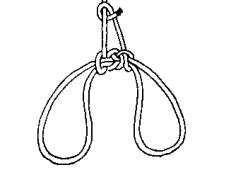
- A very useful and common knot which forms a loop that can not slip.
Friendship
- A great knot to tie if you lose your woggle.
Pathfinder
Coil
and hank - how to organise rope when you have finished with it
Rethreaded
figure of eight - Useful for attaching ropes around large anchor points
Fireman’s
Chair - Used to manoevre a potentially unconscious person on a rope.
Rolling
Hitch - Used to attach a line to a stave or another rope.
Timber
Hitch - Useful when hoisting or dragging a piece of timber.
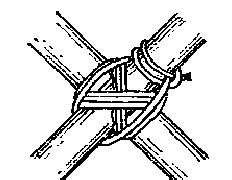
Square
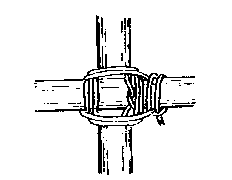
Lashing - Useful for making rafts where two staves meet at right-angles.
Sheer
Lashing - Useful for joining two staves in line eg for a makeshift flagpole.
Scout
Common
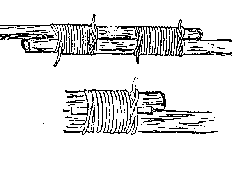
whipping - can be made anywhere in a length of rope, often to secure an
eye splice.
Eye
splice - Used to make a permanent 'eye' hole in the rope
Short
splice - Used to join two identical sized pieces of rope permanently
Back
splice
Sail
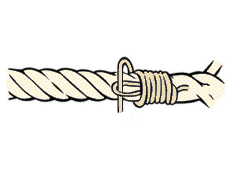
makers whipping - Often used to prevent the ends of a rope from fraying.
Diagonal
Lashing
Figure
of Eight Lashing
A Knot Board
The ultimate in knot proficiency is to create a knot board that clearly shows and names the knots that can be tied, as instruction for others
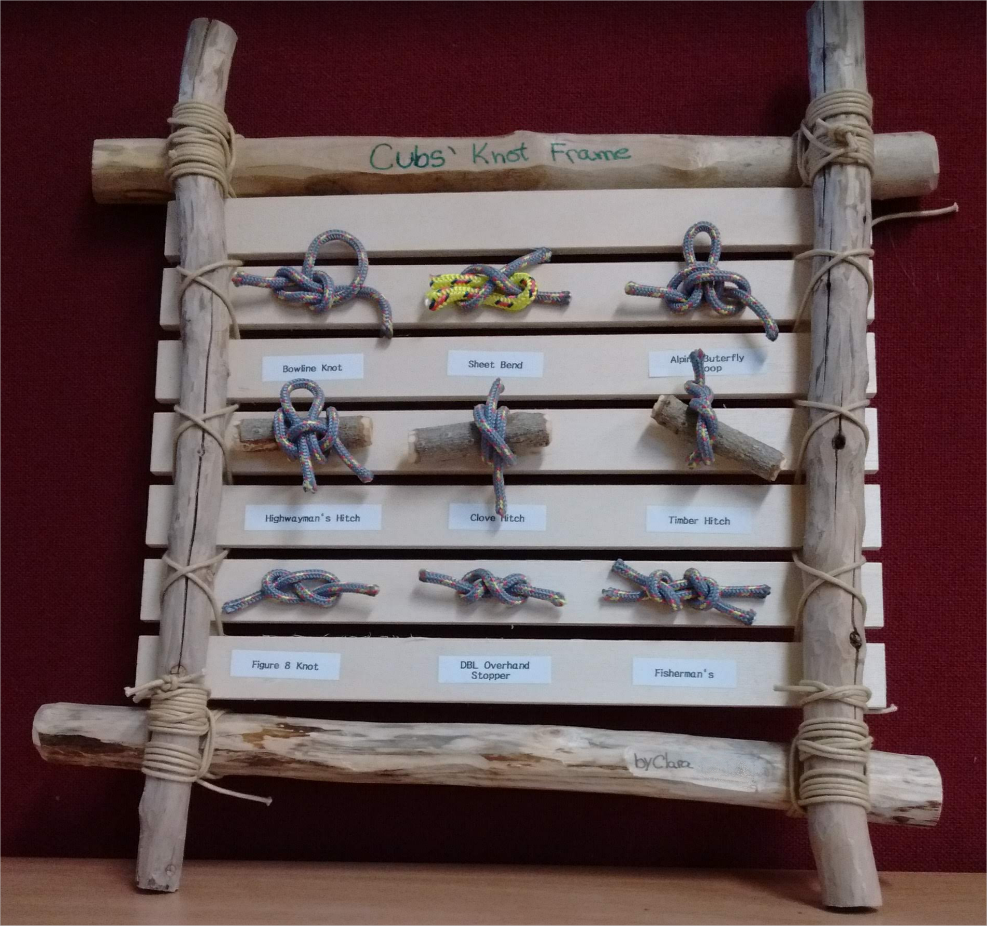
Clara's amazing knot board, made for her personal challenge |
Check out Grog's
fantastic animated website of knots or our own animated
friendship knot tying instructions.

A guide to starting knots
is also available here, and
the What
Knot To Do iPhone app is your pocket guide on your iPhone to 70
must know knots in six categories. With this free app you'll always
have just the right knot at the ready, with clear step-by-step tying
instructions to meet any and every outdoor need.